
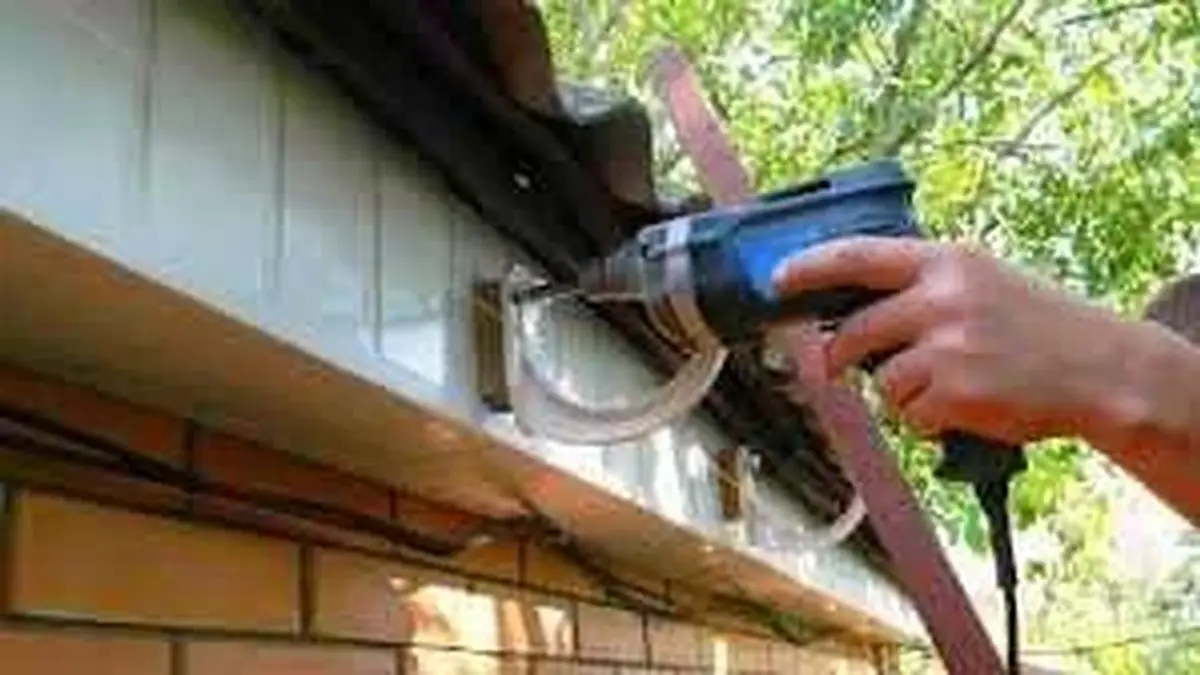
Imagine a wild Auckland storm—winds howling at 80 km/h, rain pelting your roof at 100 mm in a single day. Your gutters should be channeling that deluge away, but instead, they sag, overflow, and send water crashing into your home’s foundation. The reason? Improper gutter hanger spacing. This critical detail can turn a robust roof drainage system into a costly headache. Whether you’re an Auckland homeowner tackling a DIY gutter installation, a contractor ensuring a professional setup, a roofing pro refining your skills, or a handyman fixing an aging system, getting hanger spacing right is essential. In this comprehensive guide, we’ll explore the science of gutter hanger spacing —industry standards, climate-specific adjustments (including Auckland’s unique conditions), step-by-step instructions, and expert insights—to ensure your gutters withstand everything from summer downpours to winter gales.
Why Proper Gutter Hanger Spacing Matters
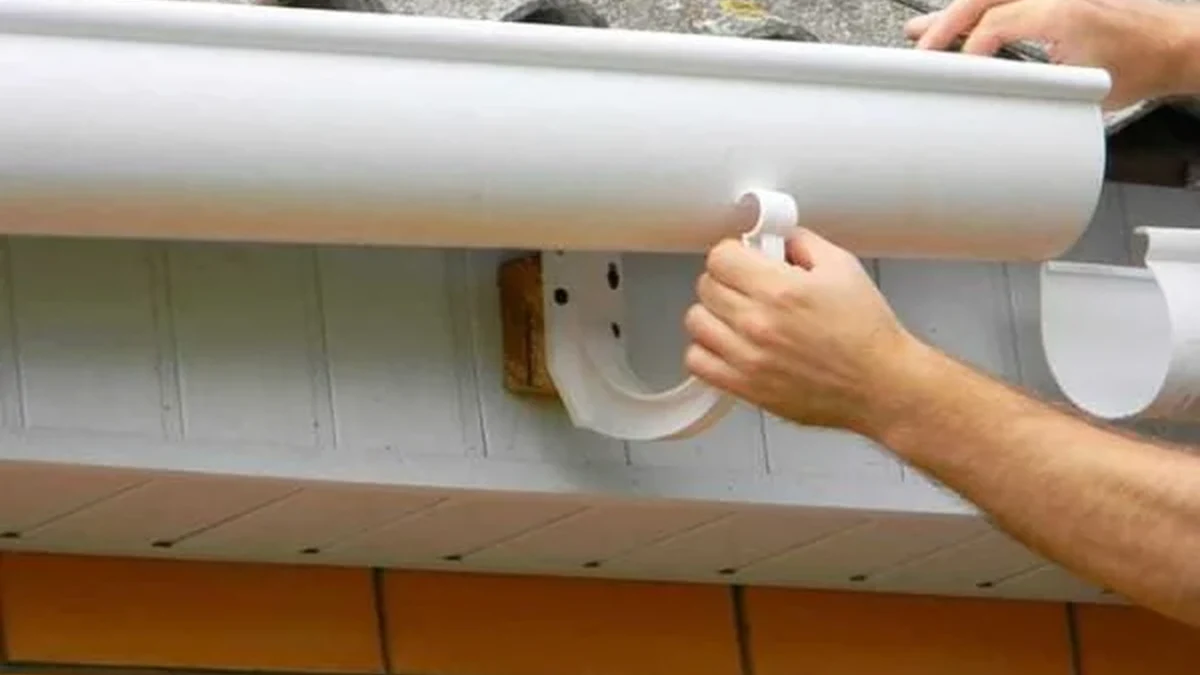
Gutter hangers—also called support brackets or clips—are the unsung heroes anchoring your gutters to the fascia board. They distribute weight, maintain alignment, and keep water flowing where it belongs. Here’s why spacing them correctly is a game-changer:
- Prevents Sagging and Water Overflow: Too few hangers or wide gaps let gutters droop under water, debris, or snow, disrupting runoff management. This can flood basements, erode landscaping, or damage siding—common issues in Auckland’s wet climate.
- Ensures Long-Term Durability: Evenly spaced hangers reduce stress on individual sections, preventing cracks, bends, or detachment. In a city like Auckland, where homes face 1,200-1,500 mm of rain annually, this durability is vital.
- Withstands Extreme Weather: From heavy rain to gusty winds, proper spacing keeps gutters from failing when conditions turn nasty—a must in Auckland’s temperate yet stormy environment.
The stakes are real. The National Association of Home Builders (NAHB) reports that poorly installed gutters contribute to over 60% of residential water damage claims globally, costing $5,000-$10,000 per incident. In New Zealand, a 2022 Insurance Council report noted that water damage claims spiked 15% during Auckland’s wettest year on record (2021), with sagging gutters a frequent culprit. Proper spacing isn’t just technical—it’s your home’s first defense.
Recommended Gutter Hanger Spacing: Standards, Materials, and Auckland Adjustments
How far apart should gutter hangers be? It depends on gutter material, climate, and local conditions—especially in a place like Auckland. Let’s break it down.
Industry-Standard Spacing Guidelines
- General Rule: 24 to 36 inches apart (61-91 cm)
This suits most homes in moderate climates with aluminum or vinyl gutters, balancing support and cost. - High-Snowfall Regions: 18 to 24 inches apart (46-61 cm)
Snow adds 15-20 pounds per linear foot—closer spacing prevents collapse. Rare in Auckland but relevant in NZ’s South Island. - Heavy Rainfall Zones: 18 to 24 inches apart (46-61 cm)
Rapid water flow increases pressure—tighter spacing is key in Auckland, which averages 1,212 mm of rain yearly (NIWA, 2023). - High-Wind Areas: 18 inches apart (46 cm)
Winds over 50 mph (80 km/h)—common in Auckland during storms—demand frequent hangers to resist uplift.
Material-Specific Recommendations
- Aluminum Gutters:
Lightweight and rust-resistant (70% of U.S. homes use them, per the Aluminum Association), aluminum tolerates 36-inch spacing in mild conditions but needs 24 inches in Auckland’s wet, windy climate. - Steel Gutters:
Heavier and durable, steel can stretch to 36 inches but requires rust-proof hardware—less common in NZ due to corrosion risks. - Copper Gutters:
Premium and long-lasting, copper pairs with 36-inch spacing in calm areas, though 24 inches is preferred in Auckland for added strength. - Vinyl Gutters:
Affordable and flexible, vinyl needs 24-inch spacing max—or 18 inches in stormy conditions—due to its tendency to warp. Popular in Auckland for cost but tricky in heat (up to 30°C in summer).
Seamless vs. Sectional Gutters
- Seamless Gutters:
Continuous runs need 24-inch spacing to avoid bowing—ideal for Auckland’s modern homes where leaks are a no-go. - Sectional Gutters:
Require hangers at seams (every 10 feet or 3 meters) plus 24-36 inches between—a traditional choice for older Auckland villas.
Auckland-Specific Stats and Standards
Auckland’s climate—temperate, wet, and windy—shapes spacing needs. NIWA data shows an average of 137 rainy days per year, with peak months (June-August) delivering 130-150 mm monthly. Winds hit 80 km/h during storms, per MetService records. Local roofing experts, like Auckland’s Total Roofing, recommend 24-inch spacing as a baseline, tightening to 18 inches in exposed areas (e.g., West Auckland or coastal suburbs like Devonport). The Building Code (NZBC E2/AS1) doesn’t specify hanger spacing but mandates gutters withstand local weather loads—24 inches meets this for most setups.
Factors That Affect Gutter Hanger Spacing
Spacing isn’t a one-size-fits-all rule—it’s tailored to your home and location. Here’s what to consider, with Auckland in focus:
1. Climate & Weather Conditions
- Heavy Rainfall: Auckland’s 1,212 mm annual rainfall (NIWA, 2023) demands 18-24-inch spacing to handle downpours—e.g., the 2023 floods saw 240 mm in 24 hours, overwhelming wide-spaced gutters.
- High Winds: Storms with 80-100 km/h gusts (MetService, 2022) require 18-inch spacing, especially in windy spots like the Waitakere Ranges.
- Temperature Swings: Auckland’s mild 10-25°C range (NIWA) suits most materials, but vinyl gutters need 20-24 inches to manage summer expansion.
- Snow (Rare): Negligible in Auckland but a factor in NZ’s alpine regions—18-24 inches there.
2. Gutter Material & Type
- Aluminum: Strong yet light, it’s fine at 36 inches in calm NZ regions but needs 24 inches in Auckland’s weather.
- Steel: Durable but rust-prone in Auckland’s humid air—36 inches with robust hangers if used.
- Copper: Rare in NZ but suits 24-36 inches—popular in heritage Auckland homes.
- Vinyl: Common in Auckland for affordability, needing 24-inch spacing—or 18 in stormy suburbs like Henderson.
- Seamless: Auckland’s modern builds favor these—24 inches prevents sagging.
- Sectional: Older homes (e.g., Ponsonby villas) use these—hangers at seams plus mid-section support.
3. Roof Pitch & Fascia Board Strength
- Steep Roofs (6:12+): Faster water flow needs 18-24 inches—common in Auckland’s hilly suburbs like Mt. Eden.
- Shallow Roofs (3:12 or less): 24-36 inches works—typical for flat-roofed North Shore homes.
- Fascia Condition: Auckland’s damp climate rots fascia fast—reinforce weak boards with 2x4s or replace them.
4. Gutter Size and Roof Area
- 5-Inch Gutters: Standard in Auckland, suited for 24-36 inches in moderate zones.
- 6-Inch Gutters: Used on larger roofs (e.g., commercial properties in Penrose)—24 inches supports their weight.
Auckland Example
In 2022, an Epsom homeowner reported sagging aluminum gutters spaced at 36 inches after a 120 mm rain event. A local contractor re-spaced them to 24 inches, adding two extra hangers per 10-meter run. No issues followed, even during the 2023 Auckland Anniversary Weekend floods—proof spacing matters locally.
How to Measure & Install Gutter Hangers at the Right Distance
Ready to install gutters in Auckland or beyond? This step-by-step guide ensures precision and durability.
Tools You’ll Need
- Measuring Tape: For exact spacing—metric (cm) or imperial (inches) works.
- Level: To slope gutters ¼ inch per 10 feet (6 mm per 3 m) toward downspouts.
- Drill and Stainless Steel Screws: 1.5-2-inch corrosion-resistant screws—vital in Auckland’s humid air.
- Ladder with Stabilizer: Secure it—falls account for 50% of NZ DIY injuries (ACC, 2022).
- Chalk Line: For a straight reference.
- Hacksaw: To trim gutters.
- Safety Gear: Gloves, goggles, harness—especially on Auckland’s steep roofs.
- Stud Finder: To locate rafter tails.
Step-by-Step Installation Guide
- Inspect the Fascia: Tap with a hammer to check for rot—common in Auckland’s wet climate. Replace or reinforce with a 2×4 screwed into rafters. Clean with a rag.
- Set the First Hanger: Place it 2-3 inches (5-7 cm) from the gutter’s end. Drill into the fascia and rafter tail—1-inch penetration minimum.
- Mark Spacing: Measure and mark 24-36 inches (61-91 cm)—or 18-24 inches (46-61 cm) in Auckland’s windier spots—with chalk dots.
- Snap a Chalk Line: Run it along the fascia, sloping 6 mm per 3 meters toward the downspout. Check with a level.
- Drill and Secure: Attach hangers with screws, hitting rafters where possible. Pre-drill hardwood fascia (e.g., NZ rimu) to avoid splitting.
- Check Alignment: Level every 3-4 hangers—adjust if the slope dips.
- Finish Up: Place the final hanger 2-3 inches from the end, connect to downspouts, and seal sectional joints with silicone.
Common Mistakes to Avoid
- Uneven Gaps: Varying spacing weakens the system—measure twice.
- Over-Tightening: Cracks vinyl or strips wood—tighten snugly.
- No Slope: Flat gutters pool water—slope them properly.
- Fascia-Only Screws: Rafters add 50% more hold—find them.
- Skipping Safety: Stabilize ladders—Auckland’s wind can tip them.
Testing and Troubleshooting
- Initial Test: Press between hangers—flex over ¼ inch (6 mm) means more support needed.
- Rain Check: After an Auckland downpour, check for pooling or sagging—adjust if issues arise.
Fixes: Add hangers if sagging occurs—spot repairs beat full replacements.
Pro Tips
- Auckland Winds: Use 18-inch spacing in exposed areas (e.g., Piha)—pair with gutter guards to cut debris.
- Hidden Hangers: For seamless gutters, they’re stronger and sleeker—popular in Auckland’s new builds.
- Maintenance: Check hangers post-winter—tighten screws loosened by Auckland’s wet-cold cycles.
- Heavy-Duty: In stormy zones, use 50+ pound-rated hangers—overkill elsewhere, essential here.
Mistakes
- Wide Spacing: 48 inches fails in Auckland’s rain—stick to 24 inches max.
- Rotten Fascia: Mounting on weak wood collapses—repair first.
- Cheap Screws: Rust hits fast in Auckland—use stainless steel.
No Level: Uneven gutters drain poorly—check religiously.
FAQs About Gutter Hanger Spacing
Q: How far apart in Auckland’s climate?
A: 24 inches standard, 18 inches in windy or wet areas (e.g., West Auckland).
Q: Can I skimp on hangers?
A: No—sagging costs more than the $2 per hanger you’d save.
Q: Seamless vs. sectional in Auckland?
A: Seamless needs 24 inches; sectional needs seam support plus 24-36 inches.
Q: How do I test spacing?
A: Flex less than 6 mm and no pooling after rain—good to go.
Q: Vinyl in Auckland summers?
A: 20-24 inches—handles 30°C heat expansion.
Conclusion
Gutter hanger spacing—24-36 inches generally, 18-24 inches in Auckland’s wet, windy climate—is the key to a resilient roof drainage system. With local rainfall stats, wind risks, and examples like Epsom’s fix, you’re set to install gutters that last. Want a diagram of Auckland-specific spacing? Let me know if I should confirm generating one! Get measuring, and protect your home—Auckland weather waits for no one!
Gutter Help Across Auckland
Reading up is a smart first step, but every Auckland property is a little different. For advice tailored to your own home, My Homes Construct Ltd offers free assessments and written quotes for gutter cleaning, repair and replacement across all Auckland regions and suburbs.
We respond to enquiries the same business day, explain your options in plain language, and stand behind every job with a workmanship warranty — no pressure and no hidden costs.
When to Call a Professional
Plenty of gutter cleaning, repair and replacement tasks are fine to tackle yourself, but it's worth knowing where the line is. If a job involves working at height, structural elements, water getting where it shouldn't, or anything you're not fully confident about, bringing in a professional is usually cheaper than fixing a DIY attempt that didn't hold up.
A good tradesperson also spots the things an untrained eye misses — the early warning signs that turn a small job today into a major repair next winter. If you're in any doubt, a free assessment costs nothing and gives you a clear, honest picture before you commit to anything.
A Quick Checklist for Auckland Homeowners
Whatever you decide to do next, a few simple principles will save you money and stress on any gutter cleaning, repair and replacement job in Auckland. Act early — Auckland's wet, humid climate turns small problems into expensive ones faster than most people expect. Get it in writing — a clear, itemised written quote protects you and makes comparing options straightforward. Check it's a registered building company — it matters for quality, consent and warranty cover. Ask about the warranty — reputable Auckland tradespeople stand behind their workmanship, not just the materials. Think long-term value, not just the cheapest price — the lowest quote is rarely the best value once durability is factored in.
Keep these in mind and you'll avoid the most common — and most costly — mistakes we see on Auckland properties.
Need Professional Help in Auckland?
My Homes Construct Ltd provides expert gutter and full home-improvement services across all Auckland suburbs. Get a free, no-obligation quote today.