
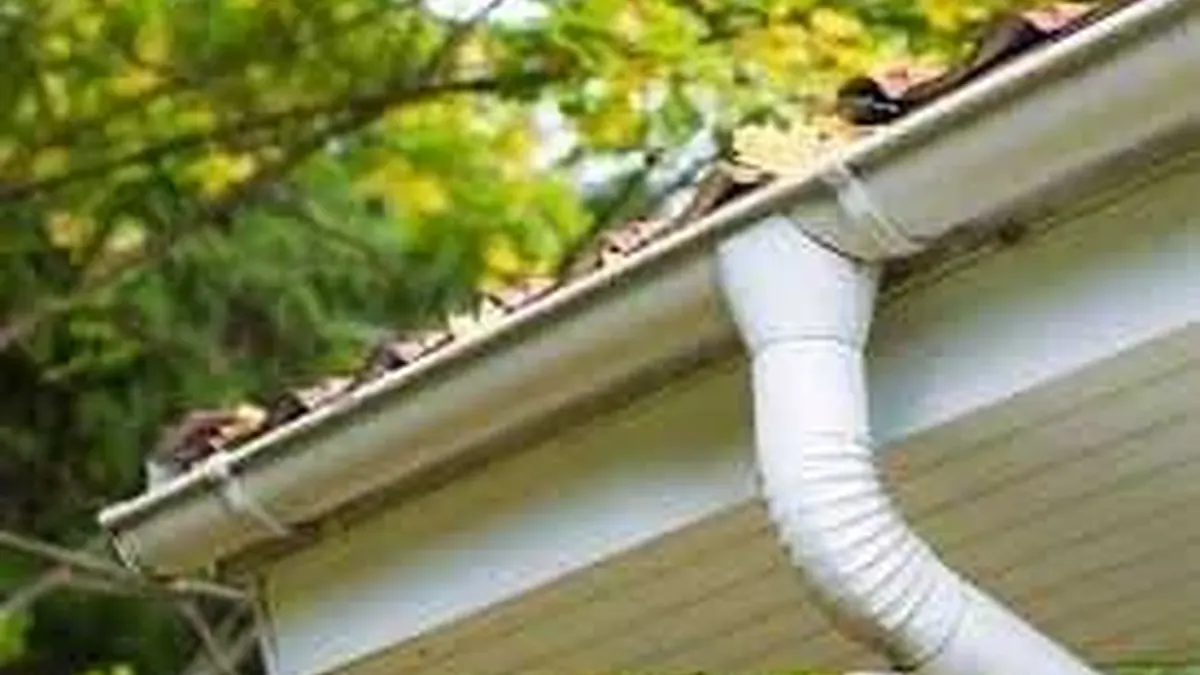
Did you know that mice can turn your gutters into their personal highway—and even a cozy nesting spot? If you’ve noticed strange noises, droppings, or water blockages around your roofline, you might have an unwelcome guest. Mice in gutters are more than just a nuisance—they can cause structural damage, water leaks, and even health hazards. In this comprehensive guide, we’ll walk you through everyt
Introduction
Did you know that mice can turn your gutters into their personal highway—and even a cozy nesting spot? If you’ve noticed strange noises, droppings, or water blockages around your roofline, you might have an unwelcome guest. Mice in gutters are more than just a nuisance—they can cause structural damage, water leaks, and even health hazards.
In this comprehensive guide, we’ll walk you through everything you need to know about how to deal with mice in gutters , from identifying the problem to removing them safely and preventing future infestations. Whether you’re a homeowner, DIY enthusiast, or pest control professional, this article will equip you with actionable steps to reclaim your gutters and protect your home.
Understanding Why Mice Choose Gutters
Mice are opportunistic creatures, and gutters provide the perfect trifecta of shelter, food access, and nesting materials. Here’s why they’re drawn to your roofline:
Shelter and Protection
- Hidden Environment: Gutters offer a concealed space away from predators like cats, birds, and snakes.
- Weather Shield: They protect mice from harsh weather conditions such as rain, wind, and extreme temperatures.
- Proximity to Roofs: Overhanging tree branches or nearby vegetation make it easy for mice to access gutters and use them as a pathway to your attic or walls.
Nesting Materials
- Debris Accumulation: Leaves, twigs, and debris trapped in gutters provide ideal materials for building nests.
- Warmth from the Roof: Heat radiating from your roof during colder months makes gutters an attractive spot for nesting.
Access to Food Sources
- Nearby Gardens or Compost Bins: Gutters near gardens, compost bins, or trash cans give mice easy access to food.
- Pathways to Indoors: Once inside the gutter system, mice may use it as a highway to enter your attic, basement, or walls, where they can find additional food and shelter.
Ignoring mice in gutters can lead to costly repairs, water damage, and potential health risks from droppings and bacteria. Addressing the issue promptly is essential.
Signs of Mice in Gutters
Before taking action, confirm that mice are indeed the culprits. Look for these telltale signs:
Droppings and Gnaw Marks
- Pellet-Like Droppings: Small, dark droppings near gutters, downspouts, or on the ground below.
- Chewed Materials: Evidence of gnawed insulation, wiring, fascia boards, or roofing materials.
Strange Noises
- Squeaking or Scratching: High-pitched squeaks or scratching sounds coming from the roofline, especially at night when mice are most active.
- Scurrying Sounds: Quick movements heard in gutters or along the roof edge.
Blocked Water Flow
- Overflowing Gutters: Water spilling over the edges due to nests or debris buildup caused by mice.
- Leaking Downspouts: Clogged downspouts leading to improper water drainage and potential foundation damage.
Visible Nests
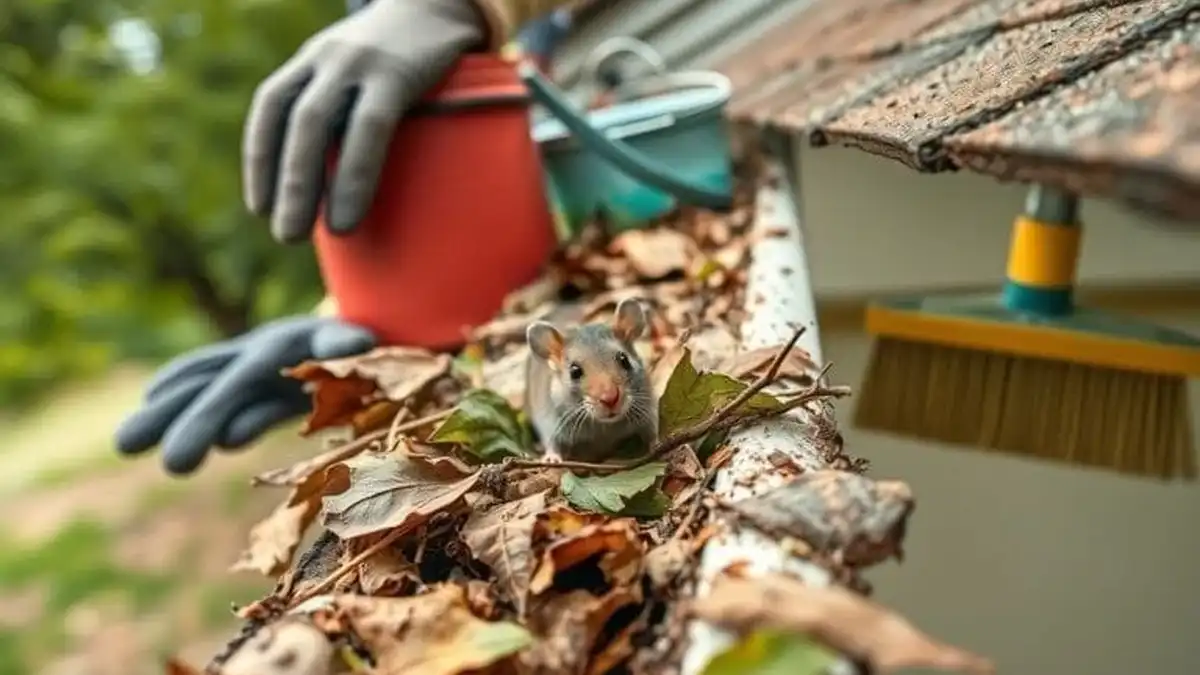
- Clusters of Debris: Clumps of leaves, twigs, shredded paper, or other materials inside gutters or downspouts.
- Insulation Damage: Shredded insulation pulled from attics or walls and used for nesting.
If you notice any of these signs, it’s time to act fast to prevent further damage.
1. Assessing the Situation
- Inspect Gutters Thoroughly: Use a stable ladder to inspect gutters for droppings, nests, or chew marks. Wear gloves and a mask to avoid exposure to bacteria and pathogens.
- Identify Entry Points: Look for gaps in roofing, fascia boards, soffits, or joints where mice may be entering. Pay special attention to areas where gutters meet the roofline.
- Check for Blockages: Remove debris manually using gloves or tools like tongs. Test water flow by running a garden hose through the system to locate any clogs caused by nests or debris.
2. Removing Mice Safely
- Humane Traps: Place live traps in or near gutters to capture mice without harming them. Bait traps with peanut butter, seeds, or small pieces of fruit. Relocate captured mice at least 1-2 miles away from your property to prevent them from returning.
- Bait Stations: Use tamper-proof bait stations if humane methods aren’t effective. Ensure they’re out of reach of pets and children. Choose rodenticides labeled for outdoor use and follow instructions carefully.
- Repellents: Apply natural deterrents like peppermint oil (mix with water in a spray bottle) or ultrasonic devices that emit high-frequency sounds to repel mice. Sprinkle cayenne pepper or cinnamon around the roofline for an additional layer of protection.
If the infestation is severe or recurring, hire a pest control expert. Professionals can:
- Conduct a thorough inspection using specialized tools like infrared cameras or fiber optic scopes.
- Use advanced exclusion techniques to seal entry points permanently.
- Provide long-term solutions tailored to your property, such as installing one-way doors that allow mice to leave but not re-enter.
3. Cleaning and Sanitizing Gutters
- Remove Debris Safely: Clear out leaves, twigs, and nests using gloves or tools like tongs. Dispose of debris in sealed bags to prevent contamination.
- Flush the System: Use a garden hose to flush out remaining debris and test water flow. Ensure water flows smoothly toward downspouts and discharges at least 2 meters away from the foundation.
- Disinfect the Area: Clean gutters with a bleach solution (1 part bleach to 10 parts water) or enzymatic cleaner to eliminate bacteria, viruses, and odors left behind by mice. Rinse thoroughly after cleaning.
4. Sealing Entry Points
- Use Steel Wool or Mesh: Stuff steel wool or metal mesh into small gaps to prevent mice from chewing through. These materials are durable and resistant to gnawing.
- Apply Caulk or Sealant: Seal larger openings with waterproof caulk or expanding foam. Focus on areas where gutters meet the roofline, fascia boards, and soffits.
- Install Gutter Guards: Add mesh screens or leaf guards to block mice from re-entering while allowing water to flow freely. Choose guards made from durable materials like aluminum or stainless steel.
5. Preventing Future Infestations
- Trim Vegetation: Cut back overhanging tree branches and shrubs that provide access to gutters. Maintain a clear perimeter of at least 6 feet around your home to reduce hiding spots.
- Keep Gutters Clean: Regularly remove debris to eliminate nesting materials. Schedule professional gutter cleaning twice a year if you’re unable to do it yourself.
- Use Deterrents Consistently: Reapply natural repellents like peppermint oil every few weeks. Install ultrasonic devices in key areas to maintain continuous deterrence.
Accessibility Issues
Gutters are often high up, making them difficult to inspect and clean. Use a stable ladder or scaffolding, and always have someone spot you while working. For multi-story homes or hard-to-reach areas, consider hiring professionals.
Recurring Infestations
Mice can return if entry points aren’t sealed or if nearby food sources remain. Combine exclusion methods with regular maintenance for long-term success. Persistent infestations may require advanced solutions like installing one-way doors or using rodenticides under professional supervision.
Balancing Humane Practices
Many homeowners prefer humane solutions over lethal methods. Use live traps and relocation strategies to address ethical concerns. However, ensure relocated mice are taken far enough away to prevent them from returning.
Long-Term Strategies for Mouse Prevention
Preventing mice from returning requires a proactive approach:
Regular Maintenance
- Clean Gutters Twice a Year: Remove debris to eliminate nesting materials and ensure proper water flow.
- Inspect Annually: Check for signs of mice activity during routine inspections. Address minor issues promptly to prevent escalation.
Landscaping Tips
- Trim Vegetation: Keep trees, shrubs, and vines trimmed back from the house to reduce access points.
- Store Firewood Properly: Stack firewood at least 20 feet away from your home and elevate it off the ground.
- Secure Trash Bins: Use tightly sealed containers and keep them away from the house to avoid attracting rodents.
Professional Help
For persistent infestations, consult pest control experts who specialize in rodent exclusion and gutter protection. They can provide tailored solutions, such as installing exclusion barriers or conducting ongoing monitoring.
Conclusion
Dealing with mice in gutters requires a combination of identification, removal, and prevention strategies. By following this detailed step-by-step guide, you can eliminate existing infestations and safeguard your home against future problems. Remember, regular maintenance and proactive measures are key to keeping mice at bay. Struggling with mice in your gutters? Don’t hesitate to contact a pest control expert today for professional assistance!
Frequently Asked Questions
Q1: How do I know if mice are in my gutters?
Look for droppings, gnaw marks, strange noises, or blocked water flow caused by nests or debris.
Q2: Can mice damage my gutters?
Yes, they can chew through materials, block water flow, and create entry points into your home, leading to costly repairs.
Q3: What’s the best way to get rid of mice in gutters?
Remove nests and debris, seal entry points, and use humane traps or repellents. For severe infestations, hire a pest control professional.
Q4: How can I prevent mice from returning?
Keep gutters clean, seal gaps, trim vegetation, and use deterrents like peppermint oil or gutter guards.
Gutter Help Across Auckland
Need a hand putting this into practice? My Homes Construct Ltd delivers gutter cleaning, repair and replacement services throughout Auckland, from the North Shore through to South Auckland, with the local knowledge to get the details right the first time.
Get in touch for a free, no-obligation quote. You'll deal with the same registered building company team across your whole project, with quality materials and a workmanship warranty as standard.
When to Call a Professional
The trickiest part of any gutter cleaning, repair and replacement project is often knowing when to stop and call someone in. Warning signs worth taking seriously include recurring problems, damage that keeps spreading, anything involving safety or access at height, and work that touches the structure of your home.
In those situations a professional opinion pays for itself. We're always happy to take a look and tell you straight whether it's something you can manage yourself or a job better left to a registered building company — with no obligation either way.
A Quick Checklist for Auckland Homeowners
Whatever you decide to do next, a few simple principles will save you money and stress on any gutter cleaning, repair and replacement job in Auckland. Act early — Auckland's wet, humid climate turns small problems into expensive ones faster than most people expect. Get it in writing — a clear, itemised written quote protects you and makes comparing options straightforward. Check it's a registered building company — it matters for quality, consent and warranty cover. Ask about the warranty — reputable Auckland tradespeople stand behind their workmanship, not just the materials. Think long-term value, not just the cheapest price — the lowest quote is rarely the best value once durability is factored in.
Keep these in mind and you'll avoid the most common — and most costly — mistakes we see on Auckland properties.
Need Professional Help in Auckland?
My Homes Construct Ltd provides expert gutter and full home-improvement services across all Auckland suburbs. Get a free, no-obligation quote today.