
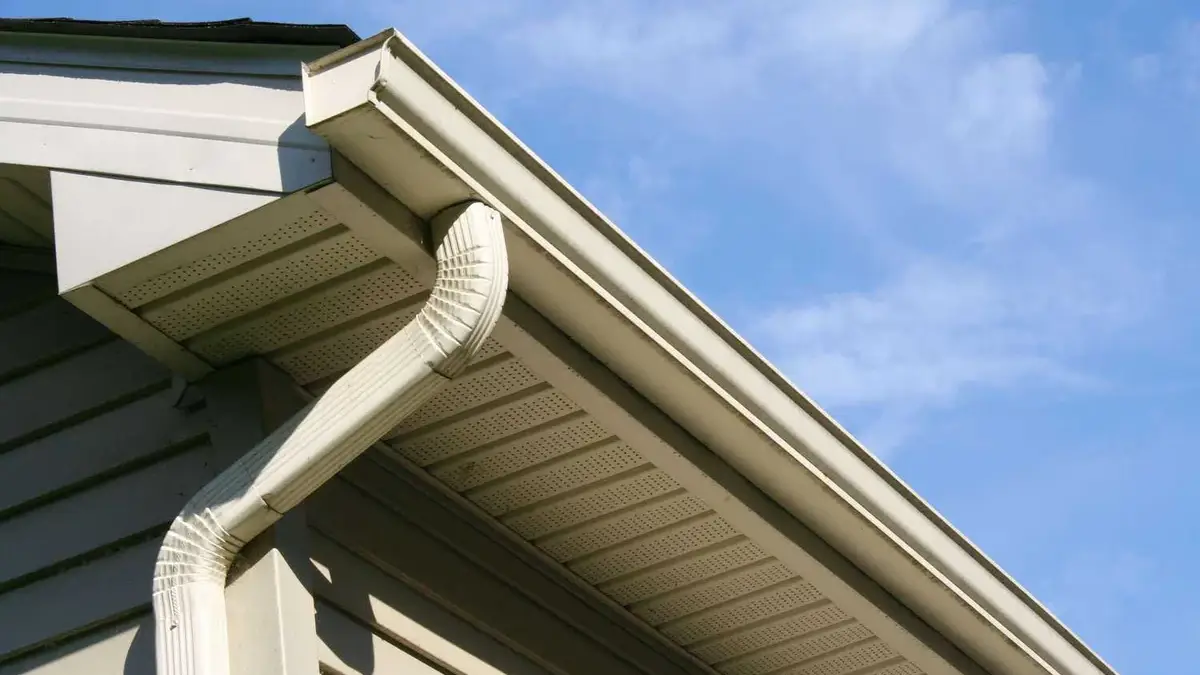
Ever wondered how roads and driveways cope with water during heavy rain? The answer is often a cross gutter.
A cross gutter is a shallow channel that carries water across a surface, such as where a road meets a driveway. It directs the flow toward a drain and stops water pooling on the surface.
This guide explains what a cross gutter is, how it works, the materials used, the main benefits, common problems, and how to keep one in good shape.
Introduction
Ever wondered how streets manage water runoff during heavy rains? The answer lies in cross gutters —a critical component of modern drainage systems.
These specialized channels are designed to channel water efficiently across roads, driveways, parking lots, and other impermeable surfaces, preventing pooling, erosion, and structural damage.
Whether you’re a homeowner, property manager, civil engineer, or contractor, understanding cross gutters is essential for effective stormwater management.
In this comprehensive guide, we’ll dive deep into what a cross gutter is , how it works, its applications, the materials used, its benefits, common issues, and best practices for maintenance.
By the end, you’ll have a thorough understanding of why cross gutters are vital for urban infrastructure and private properties alike, as well as actionable steps to ensure their proper installation and upkeep.
Definition and Basic Function
A cross gutter is a horizontal or sloped channel installed at transitions between two sections of pavement, such as where a road meets a driveway, sidewalk, or parking lot.
Its primary function is to collect and redirect stormwater runoff away from surfaces, ensuring that water flows smoothly toward designated drainage points like catch basins, storm drains, or retention ponds.
Unlike traditional gutters, which are typically installed along the edges of roofs or structures, cross gutters operate horizontally across flat or slightly sloped surfaces. They act as intermediaries, intercepting water before it can pool or cause damage.
Cross gutters are often integrated into larger curb and gutter systems, forming a network that manages urban water runoff effectively.
Cross gutters are especially important in areas with heavy rainfall or snowmelt, where efficient drainage is crucial to prevent flooding and structural damage.
Role in Channeling Water Across Roads or Driveways
Cross gutters are strategically positioned to intercept water flowing across impermeable surfaces like asphalt or concrete. They direct this water toward designated drainage points, such as catch basins, storm drains, or retention ponds.
By providing a controlled path for runoff, cross gutters reduce the risk of water pooling, which can lead to:
- Erosion: Damage to soil and pavement caused by standing water.
- Structural Issues: Compromised foundations and weakened road surfaces.
- Safety Hazards: Slippery conditions for vehicles and pedestrians.
The efficiency of a cross gutter depends on its slope, alignment, and material. Proper design ensures that water flows at an optimal rate without causing backups or overflow.
Materials Used in Cross Gutters
The choice of material depends on factors like durability, cost, environmental conditions, and aesthetic preferences:
- Concrete: Durable, long-lasting, and resistant to heavy traffic loads. Often used in urban settings due to its ability to withstand freeze-thaw cycles.
- Asphalt: Cost-effective and blends seamlessly with road surfaces but may require more frequent maintenance due to cracking and wear.
- Metal Grates: Provide additional strength and allow debris to pass through, reducing clogging risks. Ideal for industrial or high-traffic areas.
- Plastic/Composite Materials: Lightweight and eco-friendly options gaining popularity in residential applications. These materials resist corrosion and are easy to install.
- Reinforced Concrete: Combines the strength of concrete with added reinforcement for enhanced durability in extreme conditions.
In Auckland, many cross gutters are made from reinforced concrete to handle the city’s heavy traffic and frequent flash floods. This material choice has proven effective in extending the lifespan of drainage systems and reducing maintenance costs.
Prevents Water Pooling and Erosion
One of the most significant advantages of cross gutters is their ability to prevent water from accumulating on surfaces. Standing water not only creates safety hazards but also accelerates the deterioration of pavements and nearby structures.
By channeling water away, cross gutters reduce the risk of erosion and structural damage.
Improves Drainage Efficiency in Urban Areas
In densely populated cities, efficient stormwater management is critical. Cross gutters help distribute water evenly across large areas, preventing localized flooding and reducing strain on municipal drainage systems. This is particularly important in regions prone to heavy rainfall or rapid urbanization.
Enhances Roadway Safety
Standing water poses significant risks to drivers and pedestrians, including hydroplaning and slippery conditions. Cross gutters eliminate these hazards by directing water away from travel paths, improving visibility and traction.
Protects Infrastructure
By managing runoff effectively, cross gutters extend the lifespan of roads, driveways, and parking lots. They also safeguard nearby structures like homes, businesses, and retaining walls from water-related damage. For example, properly installed cross gutters can prevent water from seeping into basements or crawl spaces.
Supports Environmental Sustainability
Efficient drainage systems like cross gutters contribute to sustainable urban planning. By reducing runoff pollution and preventing soil erosion, they help protect local ecosystems and water sources.
Clogging Problems
- Causes: Leaves, sediment, trash, and other debris can block cross gutters, impeding water flow.
- Solutions: Regularly clean out debris using tools like shovels, brooms, or pressure washers. Consider installing grates or filters to trap larger particles.
For high-traffic areas prone to clogging, consider adding leaf guards or mesh screens over the cross gutter to minimize debris buildup.
Cracking & Wear Over Time
- Causes: Freeze-thaw cycles, heavy traffic, and poor installation can lead to cracks and deterioration.
- Solutions: Inspect cross gutters periodically for signs of damage. Repair minor cracks with sealant or replace severely damaged sections promptly.
A property manager in Chicago noticed recurring cracks in their asphalt cross gutters after harsh winters. By switching to reinforced concrete and implementing regular inspections, they significantly reduced repair costs and improved system longevity.
Misalignment and Improper Slope
- Causes: Poor installation or settling ground can result in uneven slopes, causing water to pool or overflow.
- Solutions: Verify the slope during installation (typically 1/4 inch per foot) and realign any misaligned sections as needed.
How to Maintain and Repair Cross Gutters Effectively
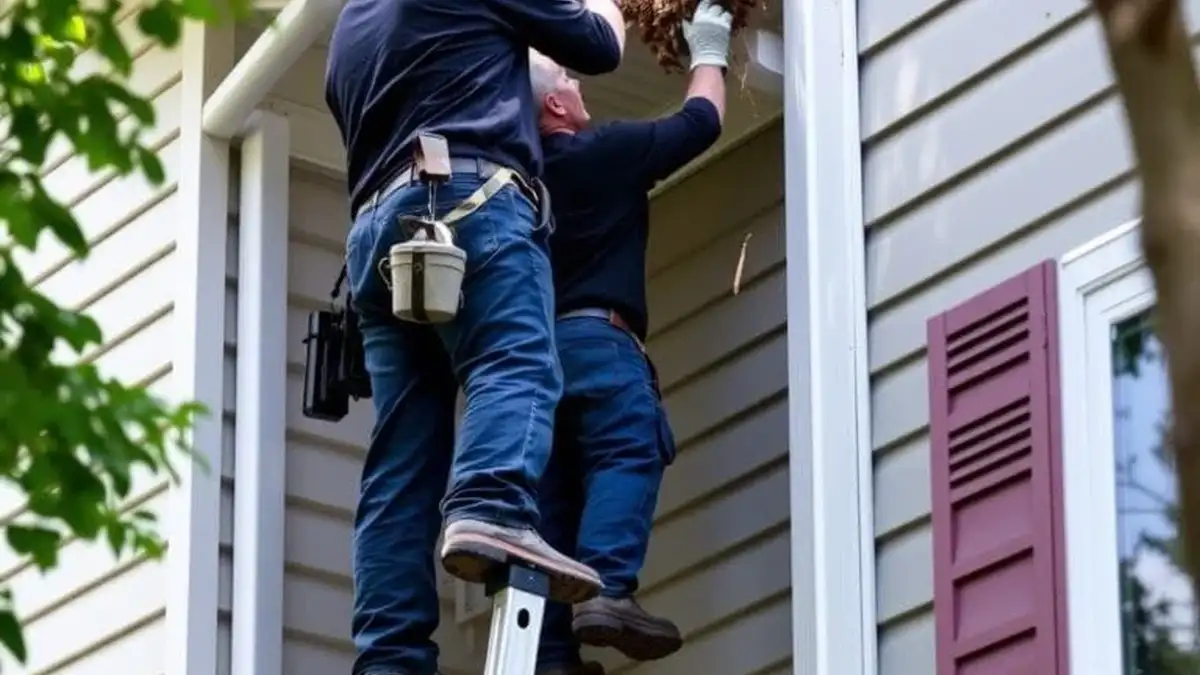
- Regular Cleaning: Remove debris before and after storms to keep water flowing freely.
- Inspect for Damage: Check for cracks, misalignment, or loose connections annually.
- Ensure Proper Slope: Verify that the cross gutter slopes correctly toward drainage points.
- Reseal Joints: Apply waterproof sealant to joints and seams to prevent leaks.
- Upgrade Materials: Consider replacing old cross gutters with durable materials like reinforced concrete or metal grates.
Choosing the Right Material for Long-Term Durability
- Opt for materials suited to your climate and usage patterns. For example, concrete is ideal for high-traffic areas, while plastic is better for lightweight applications.
- Consider the environmental impact of your material choice. Recycled or eco-friendly options are increasingly available.
Ensuring Proper Slope and Alignment for Effective Drainage
- Improper slope can cause water to pool or overflow. Always consult a professional during installation to ensure precise alignment.
- Use laser levels or other advanced tools to achieve consistent slopes across large projects.
Avoiding Poor Installation Techniques
- Cutting corners during installation (e.g., skipping compaction or using substandard materials) can lead to premature failure. Invest in quality craftsmanship upfront to save costs in the long run.
For complex installations, hire a licensed contractor with experience in stormwater management systems. Their expertise ensures compliance with local regulations and optimal performance.
Conclusion
Cross gutters are unsung heroes of modern drainage systems, quietly ensuring that our roads, driveways, and parking lots remain safe and functional even during torrential downpours.
By understanding their purpose, benefits, and maintenance requirements, you can make informed decisions about implementing or upgrading these essential components.
Whether you’re managing an urban development project, maintaining a commercial property, or simply looking to improve your home’s drainage system, investing in a well-designed cross gutter system pays dividends in safety, efficiency, and longevity. Ready to take action?
Consult a professional today to assess your drainage needs and ensure your property stays dry and secure year-round.
Frequently Asked Questions
Where Are Cross Gutters Commonly Used?
Cross gutters are versatile components found in various settings: Urban Streets: In cities, cross gutters help manage water flow across busy roads and intersections, preventing localized flooding and reducing strain on municipal drainage systems. Driveways: They prevent water from pooling at the base of driveways, protecting foundations and reducing soil erosion. Parking Lots: Cross gutters channel water away from vehicles and pedestrian areas, minimizing hazards like hydroplaning and slippery conditions. Highways and Bridges: On elevated structures, cross gutters manage runoff to prevent wate
Q1: What’s the difference between a cross gutter and a standard gutter?
A cross gutter is designed to channel water horizontally across transitions, while standard gutters run along edges to direct water downward.
Q2: Are cross gutters necessary for all properties?
While not mandatory for every property, they are highly beneficial for areas with flat terrain, heavy rainfall, or complex paving layouts.
Q3: How much does it cost to install a cross gutter?
Costs vary based on size, materials, and location but typically range from $500 to $3,000+ per project.
Q4: Can I install a cross gutter myself?
Simple installations may be DIY-friendly, but professional expertise is recommended for optimal performance and longevity.
Q5: How do I know if my cross gutter needs repair?
Signs include visible cracks, water pooling, uneven surfaces, or debris buildup obstructing flow.
Gutter Help Across Auckland
Need a hand putting this into practice? My Homes Construct Ltd delivers gutter cleaning, repair and replacement services throughout Auckland, from the North Shore through to South Auckland, with the local knowledge to get the details right the first time.
Get in touch for a free, no-obligation quote. You'll deal with the same registered building company team across your whole project, with quality materials and a workmanship warranty as standard.
When to Call a Professional
The trickiest part of any gutter cleaning, repair and replacement project is often knowing when to stop and call someone in. Warning signs worth taking seriously include recurring problems, damage that keeps spreading, anything involving safety or access at height, and work that touches the structure of your home.
In those situations a professional opinion pays for itself. We're always happy to take a look and tell you straight whether it's something you can manage yourself or a job better left to a registered building company — with no obligation either way.
A Quick Checklist for Auckland Homeowners
Whatever you decide to do next, a few simple principles will save you money and stress on any gutter cleaning, repair and replacement job in Auckland. Act early — Auckland's wet, humid climate turns small problems into expensive ones faster than most people expect. Get it in writing — a clear, itemised written quote protects you and makes comparing options straightforward. Check it's a registered building company — it matters for quality, consent and warranty cover. Ask about the warranty — reputable Auckland tradespeople stand behind their workmanship, not just the materials. Think long-term value, not just the cheapest price — the lowest quote is rarely the best value once durability is factored in.
Keep these in mind and you'll avoid the most common — and most costly — mistakes we see on Auckland properties.
Need Professional Help in Auckland?
My Homes Construct Ltd provides expert gutter and full home-improvement services across all Auckland suburbs. Get a free, no-obligation quote today.