
Renovating your home doesn’t have to cost a fortune. With some smart planning and clever choices, you can make cheap renovations to increase home value without breaking the bank. Whether you’re looking to sell your home or just make it a nicer place to live, these tips will show you how to get the most value for your money.
Smart Strategies for Affordable Home Renovations
Hiring professionals, like local renovation consultants, can be a game-changer when it comes to saving time and sticking to your budget. These experts can:
- Help you source cost-effective materials without sacrificing quality.
- Identify the areas in your home that will give you the best return on your investment.
- Connect you with reliable contractors who provide excellent service at reasonable rates.
Pro Tip: Consultants familiar with New Zealand’s property market know what upgrades are most appealing to buyers in your area. They can also help you avoid unnecessary expenses by focusing on what matters most.
In addition to guiding you through the renovation process, experts can help you navigate local building regulations and permits. This can save you from costly mistakes and delays.
Pay attention to trends in your neighborhood. What’s popular among buyers in New Zealand can vary, but some consistent favorites include:
- Open-plan kitchens, which are perfect for modern family living.
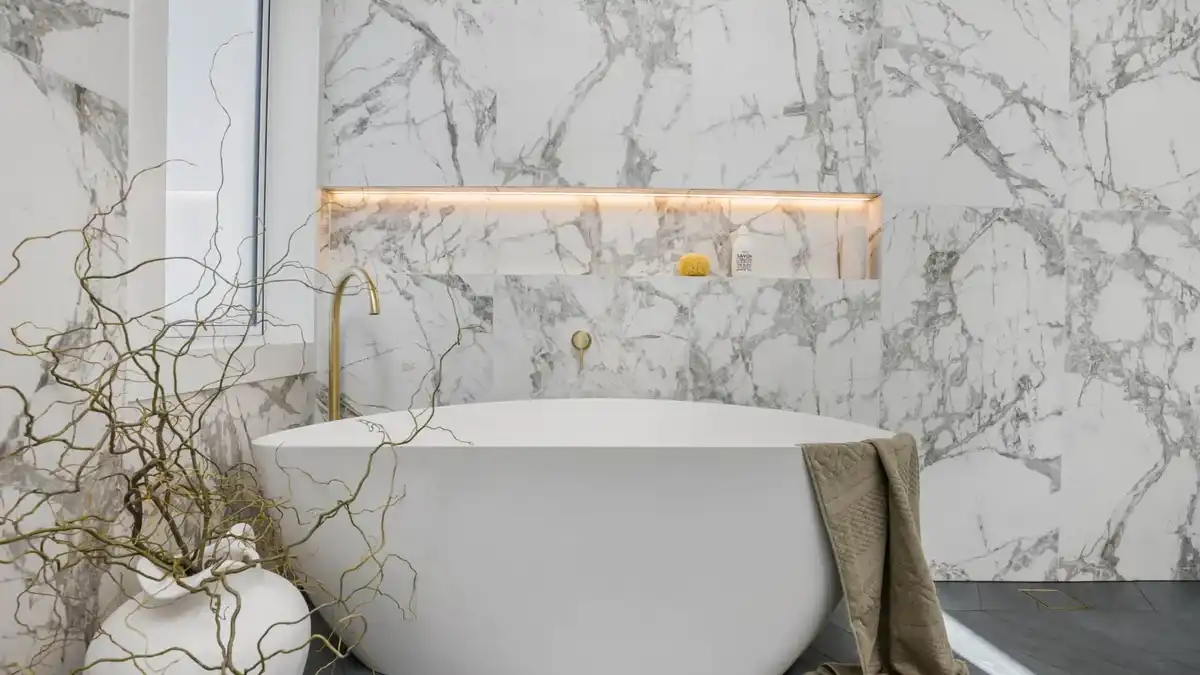
- Sleek, minimalistic bathrooms with modern fixtures and neutral color palettes.
Understanding what’s in demand will help you target your renovations wisely, ensuring your upgrades appeal to a wide range of potential buyers. Remember, your goal is to enhance your home’s value without over-customizing it.
Simple, timeless designs stand the test of time and appeal to the majority of buyers. For example:
- Neutral color schemes like whites, greys, and soft beiges create a clean and inviting atmosphere.
- Classic fixtures and fittings that are functional and stylish without being over-the-top.
While bold or quirky designs might reflect your personality, they can limit your home’s appeal to a broader audience. Keep it simple and elegant to maximize resale value.
Even with the best planning, unexpected expenses can pop up during renovations. Set aside 10-15% of your total budget as a safety net. This extra cushion can cover:
- Unforeseen structural damage, like hidden rot or foundation issues.
- Delays caused by unpredictable weather—a common challenge in New Zealand’s varied climate.
For example, if you’re working on an older home, you might uncover issues like outdated wiring or plumbing that needs to be replaced. Having a contingency budget ensures that these surprises don’t derail your project. Being financially prepared will also help you stay stress-free throughout the renovation process.
Things to Think About Before You Start Renovating
Find out how much your home is worth right now. Getting a property valuation is quick and easy in New Zealand. This will help you:
- Decide how much money to spend.
- Avoid spending too much.
A valuation doesn’t just help you set a realistic budget—it gives you a better understanding of your home’s potential. For instance, if your home is in a high-growth area, even small renovations could offer significant returns. On the flip side, if the market is slow, you may want to focus on cost-effective improvements that won’t stretch your budget too thin.
A good rule of thumb is to spend no more than 10-15% of your home’s current value. Here’s a quick guide:
Home Value (NZD)
Maximum Renovation Budget (10-15%)
$600,000
$60,000 – $90,000
$800,000
$80,000 – $120,000
Budgeting isn’t just about picking a number—it’s about understanding where to allocate your funds. For example:
- Focus the majority of your budget on high-impact areas like kitchens and bathrooms.
- Reserve a portion for smaller, aesthetic upgrades like painting or landscaping.
- Don’t forget to include a contingency fund for unexpected costs.
Ask yourself:
- Are you renovating to sell your home?
- Or are you upgrading for your own comfort?
This will help you figure out what to prioritize. For example:
- Selling soon? Focus on kitchens, bathrooms, and curb appeal.
- Staying for years? Think about energy efficiency and better living spaces.
Understanding your goals ensures you don’t waste money on unnecessary upgrades. For instance, if you’re selling, trendy but expensive features might not provide the best ROI. If you’re staying, prioritize features that improve your daily comfort, like better storage or energy-saving appliances.
Good builders can make a huge difference. Poor-quality work can lead to big problems later, so always hire someone with a great reputation.
Research local builders and read reviews to find someone who aligns with your needs. Don’t hesitate to ask for references or visit previous projects they’ve completed. A trusted builder will:
- Provide transparent quotes.
- Stick to agreed timelines.
- Deliver quality workmanship that adds real value to your home.
Companies like Refresh Renovations in New Zealand can:
- Manage your project from start to finish.
- Connect you with reliable tradespeople.
- Offer expert advice to get the best results.
Working with a renovation company doesn’t just save you time—it ensures every dollar is spent wisely. They’ll help you avoid common pitfalls, like underestimating costs or hiring the wrong contractors. Plus, their experience means they can spot potential issues before they become expensive problems.
Affordable Home Improvement Ideas That Add Value
Kitchens are a big deal when it comes to adding value. With a bit of creativity and careful spending, you can completely transform your kitchen without overspending. Here are some ideas:
- Replace cabinet doors or handles for a fresh look. Even swapping outdated knobs with sleek, modern ones can make a noticeable difference.
- Add a trendy backsplash. Subway tiles or peel-and-stick backsplashes are budget-friendly and can dramatically enhance the aesthetic of your kitchen.
- Upgrade your lighting to something modern and bright. Consider pendant lights over a breakfast bar or LED strip lighting under cabinets for a sleek, professional touch.
- Declutter countertops and organize shelves for a cleaner and more inviting appearance. It’s a free way to make your kitchen look polished and functional.
A clean, modern bathroom can make a lasting impression. Here’s how to elevate your bathroom without spending a fortune:
- Re-grout tiles to make them look brand new. This simple refresh can brighten up the entire space.
- Swap out old taps for sleek, modern ones. A waterfall-style faucet or matte black hardware can give the bathroom a luxurious touch.
- Add a stylish new mirror or vanity. Look for deals at clearance sales or second-hand shops to find unique pieces.
- Replace the shower curtain with a frameless shower screen or glass door for a more open, modern look.
- Install energy-efficient fixtures, like low-flow toilets and showerheads, to appeal to eco-conscious buyers while reducing water bills.
First impressions matter, and your home’s exterior sets the tone. Here are easy and affordable ways to make your home’s exterior shine:
- Paint your front door a bold, welcoming color, such as deep blue or vibrant red. This small change can make your home stand out.
- Plant some low-maintenance flowers or shrubs. Native plants are a great choice for New Zealand gardens as they thrive in local conditions.
- Pressure wash your driveway, paths, and exterior walls to remove grime and make your home look well-maintained.
- Add new house numbers or a stylish mailbox to complete the refreshed look.
- Install outdoor solar lights along pathways or garden edges for a warm, inviting ambiance in the evenings.
Energy-efficient homes are increasingly popular among buyers. Small upgrades can not only lower energy bills but also increase your home’s market appeal:
- Switch to LED lighting throughout your home. LEDs last longer and use far less energy than traditional bulbs.
- Add insulation to your attic, walls, or underfloor areas. This is especially beneficial during colder months in New Zealand.
- Replace single-pane windows with double-glazed ones. Though this requires more investment upfront, it significantly improves energy efficiency and comfort.
- Install a programmable thermostat to help manage heating and cooling costs efficiently.
- Consider sealing doors and windows to prevent drafts, ensuring your home stays warmer in winter and cooler in summer.
Painting is one of the simplest and most cost-effective ways to transform your home’s interior and exterior. Here’s how to get the most out of it:
- Stick to neutral tones like white, grey, or beige for a modern and clean feel. These colors also make spaces look larger and brighter.
- Experiment with accent walls to add character to a room without overwhelming it.
- Repaint skirting boards, window frames, and doors to give your home a cohesive, well-maintained look.
- Use weather-resistant paint for outdoor areas to protect your home’s exterior from the elements.
Tech-savvy buyers love smart home features, and adding them doesn’t have to cost a lot. Here are some affordable options:
- Smart thermostats that allow you to control the temperature remotely and save energy.
- Security cameras with app integration to enhance home safety.
- Automated lighting systems that can be controlled via smartphone or voice commands.
- Smart plugs and switches to make your existing appliances more efficient and user-friendly.
- Install a video doorbell to add convenience and security for homeowners.
How to Stay in Control of Your Budget
Sit down with a professional to create a detailed plan. Be sure to include:
- A step-by-step list of tasks. This ensures nothing is overlooked and helps you track progress.
- Timelines for when things need to be done. Clear deadlines prevent delays and keep contractors accountable.
- A checklist of required materials and tools to avoid last-minute purchases.
This helps you understand exactly what you’re paying for. Be sure to ask for breakdowns on:
- Materials. Know the cost of every item to avoid hidden markups.
- Labour costs. Ensure contractors are transparent about their fees and working hours.
- Potential extras. Clarify if there’s flexibility for unforeseen work.
Structural work, like knocking down walls or moving plumbing, can get expensive fast. Stick to simpler changes that deliver impact without high costs. For example:
- Add shelving instead of rebuilding storage spaces.
- Opt for surface refinishing rather than replacing large fixtures.
Sometimes things don’t go as planned. To stay on track:
- Build a buffer of extra time into your schedule.
- Maintain regular communication with contractors to anticipate challenges.
- Have a backup plan for key milestones, such as alternative contractors or extended timelines.
Mistakes to Watch Out For
- Skipping Permits: Always check with your local council to make sure you’re following all the rules. Ignoring permits can result in fines, delays, or even having to undo the work entirely. Councils often require permits for significant structural changes, electrical upgrades, or plumbing modifications, so it’s best to be proactive. Research your local requirements or consult a professional to avoid unnecessary headaches. In the long run, having proper permits also increases buyer confidence and adds legitimacy to your renovations.
- Using Cheap Materials: Low-quality materials might save you money initially, but they often result in higher repair and maintenance costs down the line. For example, laminate flooring may peel or warp quickly compared to hardwood or engineered wood. Buyers are also quick to notice poor craftsmanship or cheap finishes, which can detract from the overall appeal of your home. Invest in durable, mid-range materials that strike a balance between affordability and quality, as these will stand the test of time and improve your home’s value.
- Too Much DIY: While tackling simple projects like painting or installing shelving can be rewarding and cost-effective, some tasks are best left to professionals. Attempting complex work like electrical wiring or plumbing without expertise can lead to safety hazards, code violations, or costly mistakes that reduce your home’s value. Hiring licensed professionals ensures the job is done safely and correctly, leaving you with results that boost your property’s marketability.
- Overdoing It: Spending more than what’s typical for your area can backfire, especially if local buyers aren’t willing to pay for extravagant features. For instance, installing a luxury spa or high-end appliances in a modest neighborhood may not yield a strong return on investment. Instead, focus on improvements that align with market expectations, such as updated kitchens or bathrooms, and avoid excessive customization. This ensures your home remains attractive and competitively priced in your local market.
Eco-Friendly Renovation Tips
Want to go green? Sustainable upgrades not only help the environment but also save money in the long run and attract eco-conscious buyers who value energy-efficient homes. Here are some ideas to get you started:
- Install solar panels to significantly cut electricity costs. While the upfront investment might be higher, government incentives and reduced energy bills make this upgrade worth it over time.
- Use bamboo flooring or recycled materials for a sustainable and stylish finish. Bamboo grows rapidly, making it a renewable resource, and recycled materials add character and uniqueness to your home while reducing waste.
- Add water-saving taps, showerheads, and dual-flush toilets. These upgrades lower water bills and conserve one of our planet’s most valuable resources. For added savings, consider rainwater collection systems to water your garden or flush toilets.
- Upgrade your insulation with eco-friendly materials like sheep’s wool or recycled denim. Better insulation keeps your home warm in the winter and cool in the summer, reducing energy usage and costs.
- Swap out traditional light bulbs for LED ones. LEDs last longer and use far less electricity, making them an easy, low-cost improvement that pays off quickly.
Success Stories: Renovation Wins in New Zealand
A dated kitchen got a stunning makeover, transforming it into a modern and inviting space with the following updates:
- Modern cabinet doors: The old, worn-out cabinets were replaced with sleek, contemporary designs that instantly brightened the space.
- A chic backsplash: A stylish and easy-to-clean backsplash was added, creating a perfect focal point for the kitchen.
- Better lighting: New LED lighting fixtures, including under-cabinet lights, provided both functionality and a warm ambiance.
- Improved layout: Minor adjustments to the kitchen layout improved functionality, making the space more efficient for cooking and entertaining.
Result: The home’s value increased by 15%, with potential buyers praising the modern aesthetic and practicality of the kitchen.
A tired and outdated bathroom was revitalized, turning it into a luxurious retreat with the following enhancements:
- New tiles: The old, dull tiles were replaced with sleek, modern ones that gave the bathroom a fresh and clean look.
- A stylish vanity: A new vanity with ample storage and a beautiful countertop added both functionality and elegance.
- A sleek frameless shower: The outdated shower was replaced with a frameless glass design, making the space feel more open and contemporary.
- Energy-efficient fixtures: Low-flow taps and a water-saving showerhead were installed, appealing to eco-conscious buyers while reducing water bills.
- Upgraded lighting: Soft, ambient lighting created a relaxing atmosphere, perfect for unwinding after a long day.
Result: The house sold above the asking price, with the revamped bathroom being one of the major highlights for buyers.
FAQs: Budget-Friendly Renovations in New Zealand
Finding the right renovation experts is crucial to a successful project. Start by looking for companies with strong local experience, like Refresh Renovations, who understand the specific challenges and trends of the New Zealand market. Check online reviews, request references from past clients, and ask detailed questions during initial consultations to gauge their professionalism. It’s also a good idea to ensure they are licensed and insured, which protects you from unexpected liabilities. A reliable expert will provide clear timelines, transparent pricing, and offer creative solutions tailored to your goals.
Kitchens and bathrooms consistently provide the best return on investment, as these spaces are central to how people live and entertain. In the kitchen, prioritize upgrades like modern countertops, energy-efficient appliances, and updated cabinetry. In bathrooms, focus on contemporary fixtures, water-saving features, and a clean, spa-like aesthetic. Additionally, consider enhancing curb appeal—a well-maintained exterior and garden can leave a great first impression on potential buyers and increase your property’s perceived value.
Plan to keep 10-15% of your total renovation budget for unexpected costs, such as structural issues, material shortages, or weather-related delays. For example, if your renovation budget is $50,000, set aside at least $5,000 to $7,500 as a contingency. This buffer not only reduces stress but also ensures that your project stays on track if something unexpected arises. Discuss potential risks with your contractor in advance to understand where surprises are most likely to occur and plan accordingly.
Conclusion
You don’t need a massive budget to make meaningful improvements to your home. With thoughtful planning, the guidance of experienced professionals, and a focus on the most impactful areas, you can achieve cheap renovations to increase home value without overstretching your finances. Whether it’s modernizing your kitchen, upgrading your bathroom, or enhancing curb appeal, strategic renovations can significantly boost your property’s worth. For instance, small changes like repainting, installing energy-efficient features, or updating fixtures can create a big impression. These upgrades not only make your home more comfortable and stylish but also attract potential buyers if you decide to sell. Whether you’re in a bustling city like Auckland or a quiet town in New Zealand, these practical and cost-effective tips will empower you to create a home that’s both beautiful and valuable, making every dollar count.
Frequently Asked Questions
What is Overcapitalisation and Why You Should Avoid It?
Before jumping into renovations, let’s talk about something important: overcapitalization. Overcapitalization happens when you spend more money fixing up your home than the value it adds to the property. It’s a common mistake that many homeowners make, especially when they get excited about making big changes or adding fancy features. You could end up losing money when you sell your home. For example, if you invest $50,000 in renovations but it only increases your home’s value by $30,000, you’re at a loss. It might leave you feeling stretched financially, especially if you’ve borrowed money fo
Home Renovation Help Across Auckland
Reading up is a smart first step, but every Auckland property is a little different. For advice tailored to your own home, My Homes Construct Ltd offers free assessments and written quotes for home renovation across all Auckland regions and suburbs.
We respond to enquiries the same business day, explain your options in plain language, and stand behind every job with a workmanship warranty — no pressure and no hidden costs.
When to Call a Professional
Plenty of home renovation tasks are fine to tackle yourself, but it's worth knowing where the line is. If a job involves working at height, structural elements, water getting where it shouldn't, or anything you're not fully confident about, bringing in a professional is usually cheaper than fixing a DIY attempt that didn't hold up.
A good tradesperson also spots the things an untrained eye misses — the early warning signs that turn a small job today into a major repair next winter. If you're in any doubt, a free assessment costs nothing and gives you a clear, honest picture before you commit to anything.
A Quick Checklist for Auckland Homeowners
Whatever you decide to do next, a few simple principles will save you money and stress on any home renovation job in Auckland. Act early — Auckland's wet, humid climate turns small problems into expensive ones faster than most people expect. Get it in writing — a clear, itemised written quote protects you and makes comparing options straightforward. Check it's a registered building company — it matters for quality, consent and warranty cover. Ask about the warranty — reputable Auckland tradespeople stand behind their workmanship, not just the materials. Think long-term value, not just the cheapest price — the lowest quote is rarely the best value once durability is factored in.
Keep these in mind and you'll avoid the most common — and most costly — mistakes we see on Auckland properties.
Need Professional Help in Auckland?
My Homes Construct Ltd provides expert home renovation and full home-improvement services across all Auckland suburbs. Get a free, no-obligation quote today.